

Las propiedades se seleccionan en función de reseñas de viajeros reales y de la popularidad entre los huéspedes que han reservado una noche en Surakarta en Hoteles.com. Estos hoteles en Surakarta ofrecen constantemente comodidad, ubicación y experiencia del viajero. Última actualización: .
Hoteles en Surakarta

Opciones de cancelación gratuita si cambias de planes

Llévate recompensas por cada noche de tu estancia

Ahorra más con los precios para miembros
Consulta los precios para estas fechas
Esta noche
Mañana
Este fin de semana
Próximo fin de semana
Mejores 5 hoteles en Surakarta de un vistazo
- Alila Solo, Java — Hotel de 5 estrellas en Surakarta. Puntuación de los huéspedes: 9,2/10 — Impresionante.
- Swiss-Belhotel Solo — Hotel de 4 estrellas en Banjarsari. Puntuación de los huéspedes: 9,2/10 — Impresionante.
- Novotel Solo — Hotel de 4 estrellas en Centro de la ciudad de Surakarta. Puntuación de los huéspedes: 8,2/10 — Muy bueno.
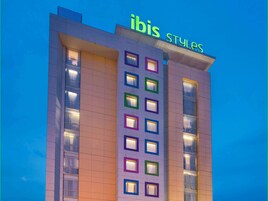
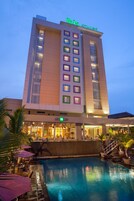
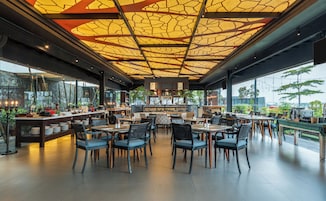
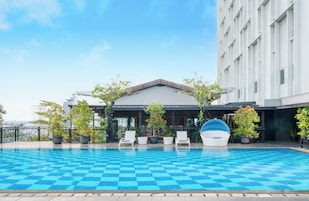
- ibis Styles Solo — Hotel de 3 estrellas en Centro de la ciudad de Surakarta. Puntuación de los huéspedes: 8,2/10 — Muy bueno.
- The Royal Surakarta Heritage - Handwritten Collection — Hotel de 5 estrellas en Centro de la ciudad de Surakarta. Puntuación de los huéspedes: 8,2/10 — Muy bueno.
¿Dónde te alojarás en Surakarta?


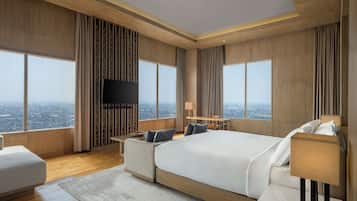
Alila Solo, Java
Alila Solo, JavaSurakarta
9.2 sobre 10, Impresionante, (149 comentarios)
El precio actual es de 58 €
incluye tasas e impuestos
Del 30 ago al 31 ago
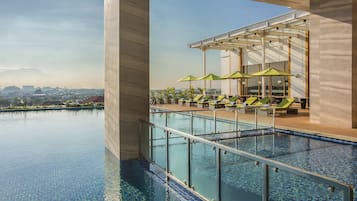

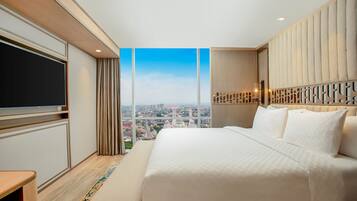

Swiss-Belhotel Solo
Swiss-Belhotel SoloBanjarsari
9.2 sobre 10, Impresionante, (41 comentarios)
El precio actual es de 39 €
incluye tasas e impuestos
Del 31 jul al 1 ago
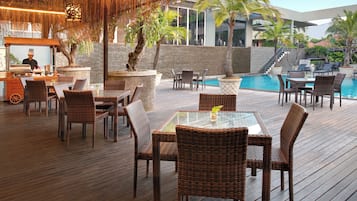


Novotel Solo
Novotel SoloCentro de la ciudad de Surakarta
8.2 sobre 10, Muy bueno, (117 comentarios)
El precio actual es de 33 €
incluye tasas e impuestos
Del 1 ago al 2 ago

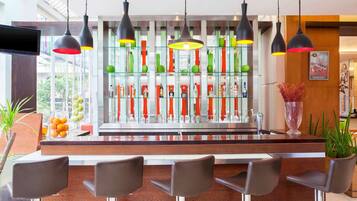

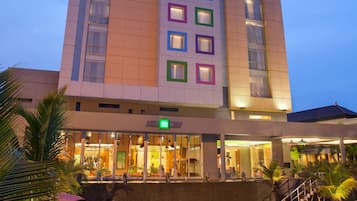
ibis Styles Solo
ibis Styles SoloCentro de la ciudad de Surakarta
8.2 sobre 10, Muy bueno, (107 comentarios)
El precio actual es de 22 €
incluye tasas e impuestos
Del 31 jul al 1 ago


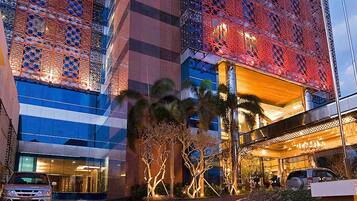
The Royal Surakarta Heritage - Handwritten Collection
The Royal Surakarta Heritage - Handwritten CollectionCentro de la ciudad de Surakarta
8.2 sobre 10, Muy bueno, (172 comentarios)
El precio actual es de 33 €
incluye tasas e impuestos
Del 2 ago al 3 ago


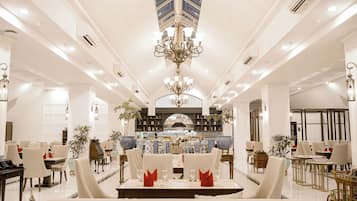
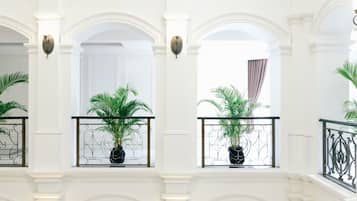
Mahalaya The Legacy Solo
Mahalaya The Legacy SoloCentro de la ciudad de Surakarta
8.4 sobre 10, Muy bueno, (5 comentarios)
El precio actual es de 40 €
incluye tasas e impuestos
Del 31 jul al 1 ago


Grand Mercure Solo Baru
Grand Mercure Solo BaruGrogol
8.6 sobre 10, Excelente, (81 comentarios)
El precio actual es de 40 €
incluye tasas e impuestos
Del 2 ago al 3 ago


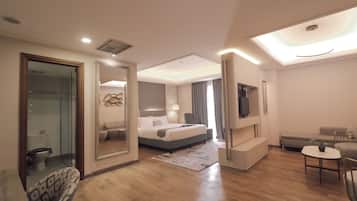
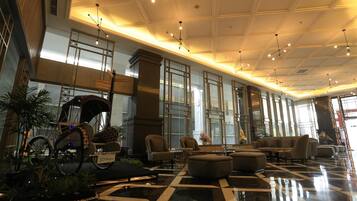
Zigna Kampung Batik
Zigna Kampung BatikSurakarta
10.0 sobre 10, Excepcional, (4 comentarios)
El precio actual es de 31 €
incluye tasas e impuestos
Del 2 ago al 3 ago


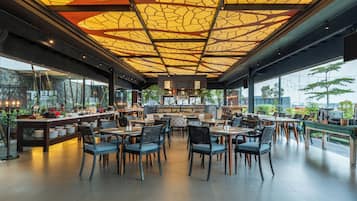
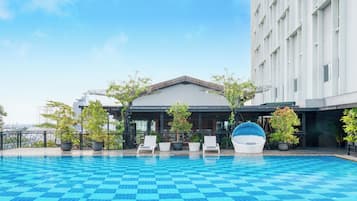
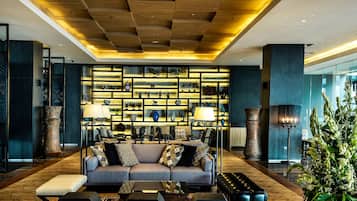

Mercure Solo
Mercure SoloSurakarta
8.4 sobre 10, Muy bueno, (37 comentarios)
El precio actual es de 29 €
incluye tasas e impuestos
Del 17 ago al 18 ago
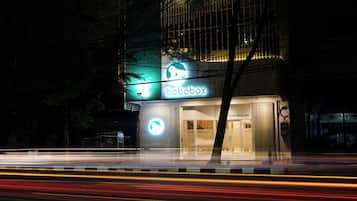


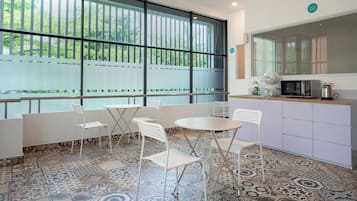
Bobopod Slamet Riyadi Solo
Bobopod Slamet Riyadi SoloCentro de la ciudad de Surakarta
10.0 sobre 10, Excepcional, (1 comentario)
El precio actual es de 9 €
incluye tasas e impuestos
Del 19 ago al 20 ago
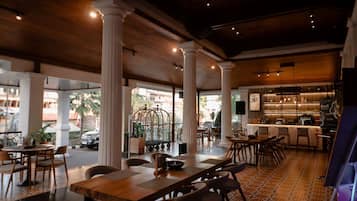

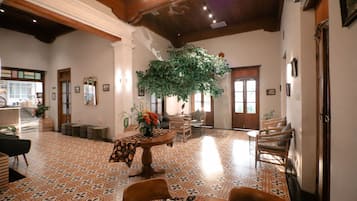
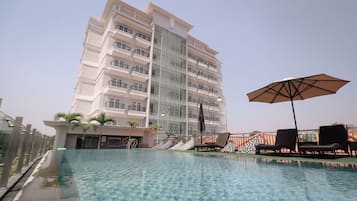
FIM by Zigna
FIM by ZignaCentro de la ciudad de Surakarta
9.4 sobre 10, Excepcional, (6 comentarios)
El precio actual es de 26 €
incluye tasas e impuestos
Del 2 ago al 3 ago

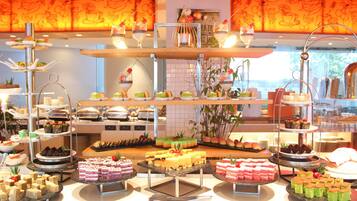

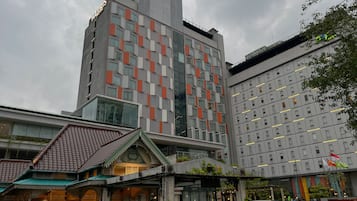
HARRIS Hotel & Conventions Solo
HARRIS Hotel & Conventions SoloSurakarta
10.0 sobre 10, Excepcional, (4 comentarios)
El precio actual es de 29 €
incluye tasas e impuestos
Del 24 ago al 25 ago


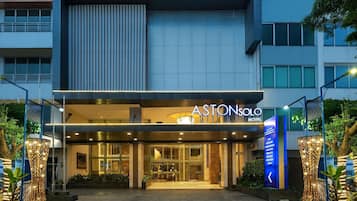
Aston Solo
Aston SoloSurakarta
8.6 sobre 10, Excelente, (97 comentarios)
El precio actual es de 53 €
incluye tasas e impuestos
Del 2 ago al 3 ago
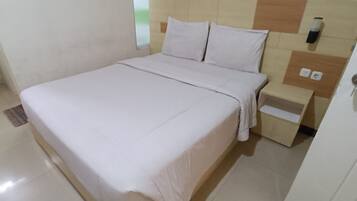
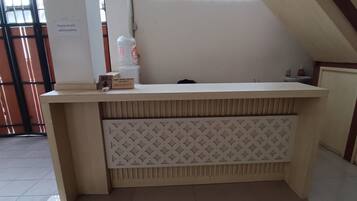
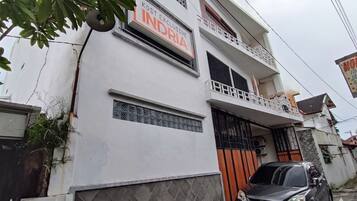
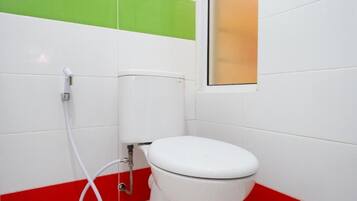
Hotel O near Pasar Gede Solo formerly In
Hotel O near Pasar Gede Solo formerly InCentro de la ciudad de Surakarta
El precio actual es de 9 €
incluye tasas e impuestos
Del 5 ago al 6 ago


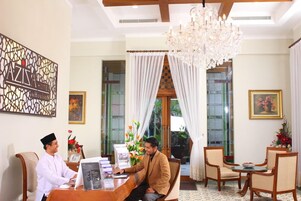
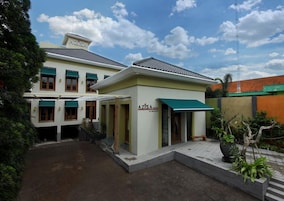
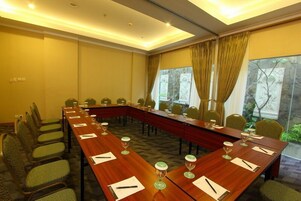
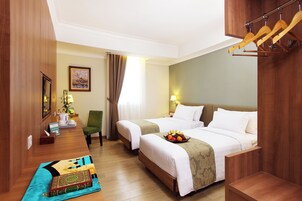
Aziza Solo
Aziza SoloSurakarta
9.0 sobre 10, Impresionante, (11 comentarios)
El precio actual es de 47 €
incluye tasas e impuestos
Del 1 ago al 2 ago

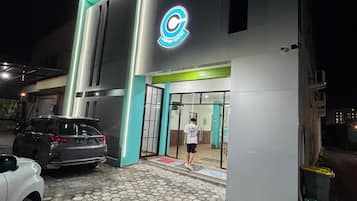

Comfort Centre Residence Solo
Comfort Centre Residence SoloCentro de la ciudad de Surakarta
El precio actual es de 19 €
incluye tasas e impuestos
Del 31 jul al 1 ago


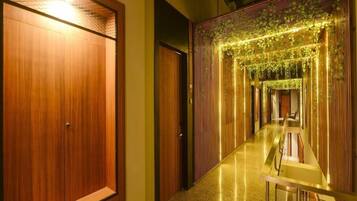
Nata Azana Hotel Solo
Nata Azana Hotel SoloSurakarta
9.6 sobre 10, Excepcional, (7 comentarios)
El precio actual es de 27 €
incluye tasas e impuestos
Del 30 ago al 31 ago
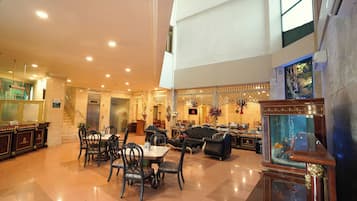

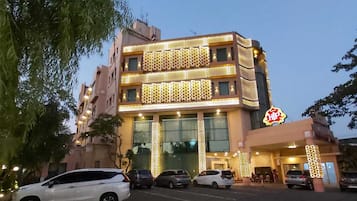

Hotel Indah Palace Solo
Hotel Indah Palace SoloSurakarta
9.0 sobre 10, Impresionante, (4 comentarios)
El precio actual es de 19 €
incluye tasas e impuestos
Del 2 ago al 3 ago
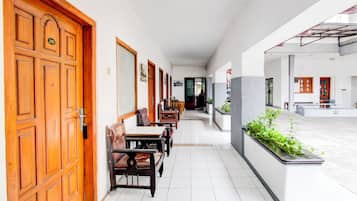
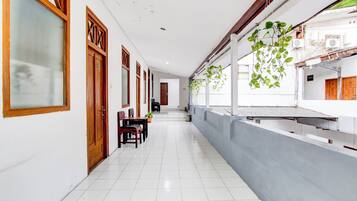


Collection O Jalan Slamet Riyadi Near Kampung Batik Kauman Formerly Hotel Grand Kota
Collection O Jalan Slamet Riyadi Near Kampung Batik Kauman Formerly Hotel Grand KotaSurakarta
Precio más bajo por noche encontrado en las últimas 24 horas para una estancia de 1 noche y 2 adultos. Los precios y la disponibilidad están sujetos a cambios. Pueden aplicarse términos y condiciones adicionales.
Consigue ofertas de hoteles de última hora en Surakarta y ahorra más
Inicia sesión para ahorrar a lo grande.
Se muestran ofertas para estas fechas:Del 31 jul al 2 ago
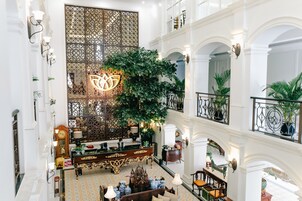
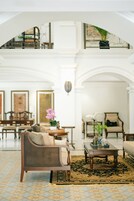
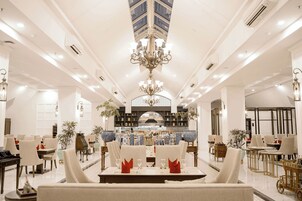
8.4 sobre 10, Muy bueno, (5 comentarios)
-20 €
El precio actual es de 69 €
por 2 noches y 1 habitación
35 € por noche
incluye tasas e impuestos




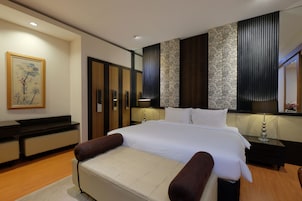

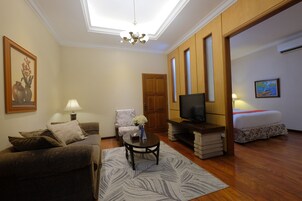
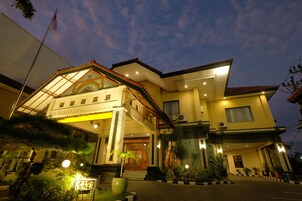
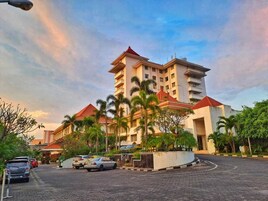
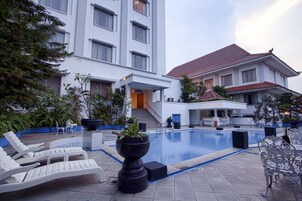


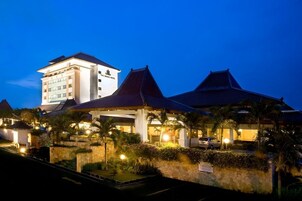
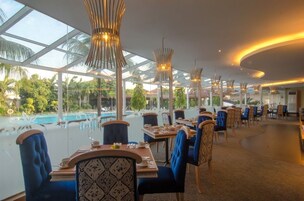
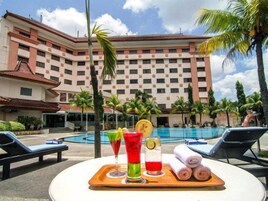
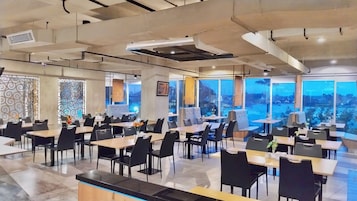
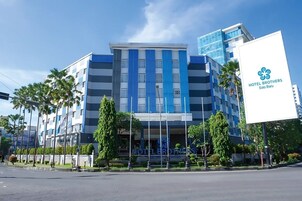
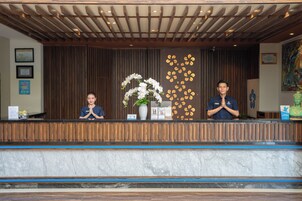
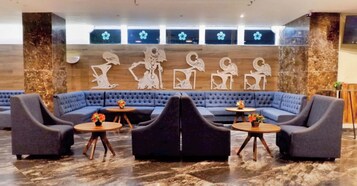
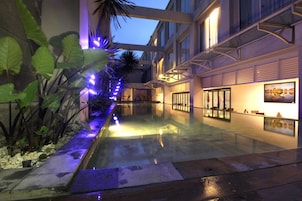
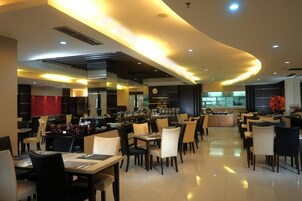

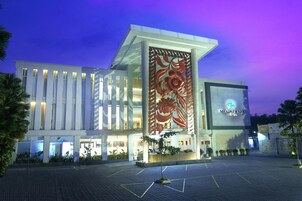
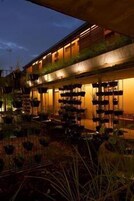


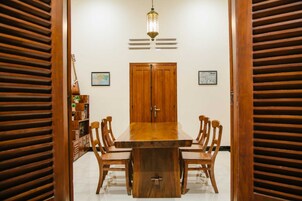
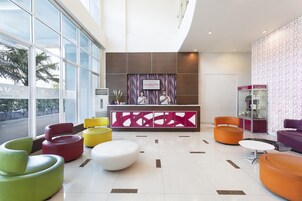
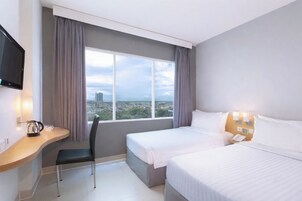
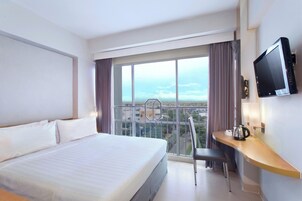
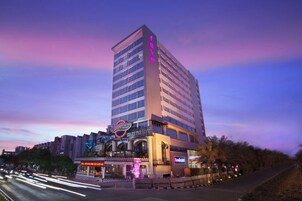
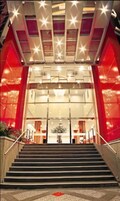
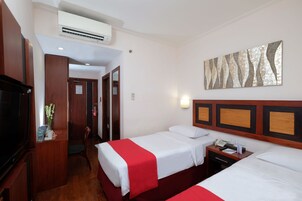
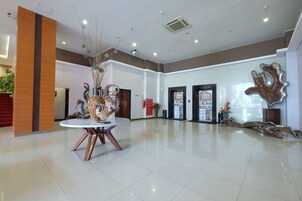
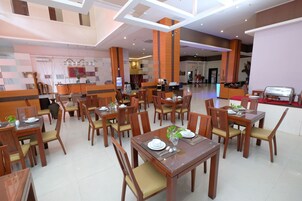
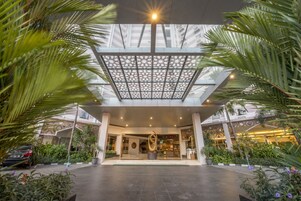

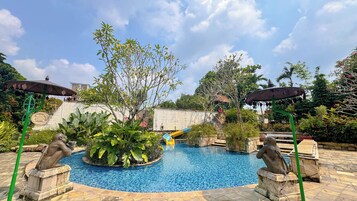
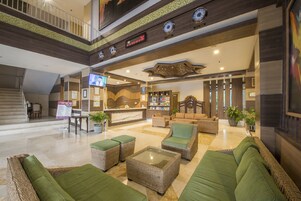
Se muestran ofertas para estas fechas:Del 7 ago al 9 ago
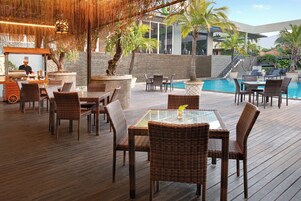

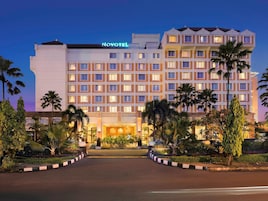
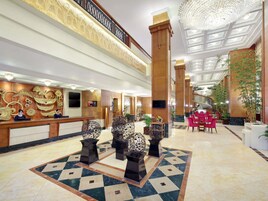
8.2 sobre 10, Muy bueno, (117 comentarios)
El precio actual es de 66 €
por 2 noches y 1 habitación
33 € por noche
incluye tasas e impuestos
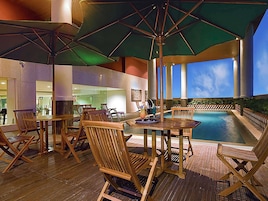

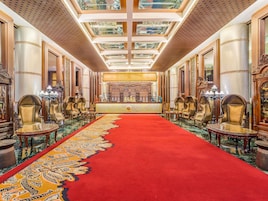
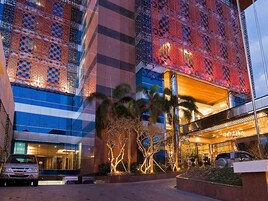
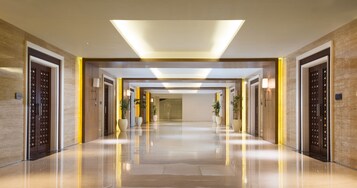
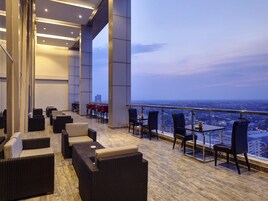
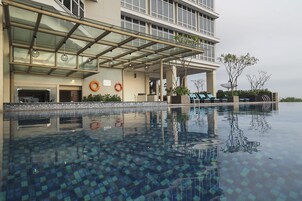
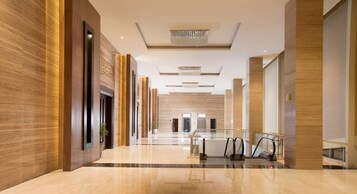
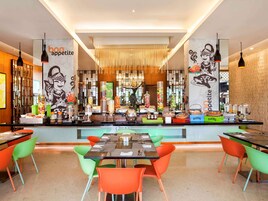
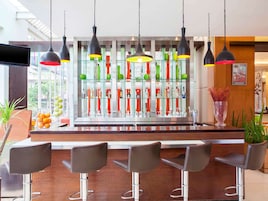
Se muestran ofertas para estas fechas:Del 29 ago al 30 ago
8.2 sobre 10, Muy bueno, (117 comentarios)
El precio actual es de 33 €
por 1 habitación
incluye tasas e impuestos

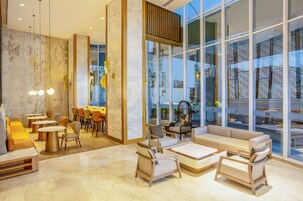
También te pueden interesar hoteles con piscina en Surakarta
El precio actual es de 58 €
incluye tasas e impuestos
Del 30 ago al 31 ago
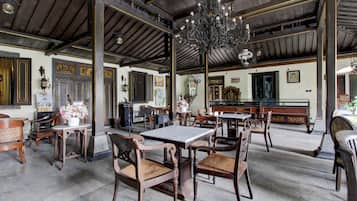
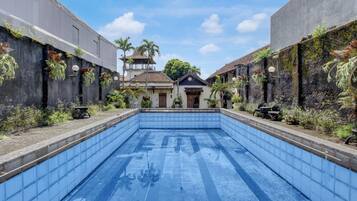
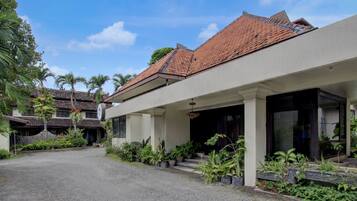
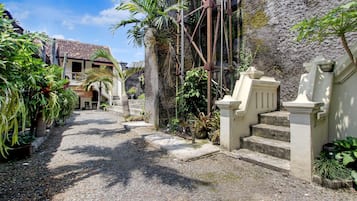
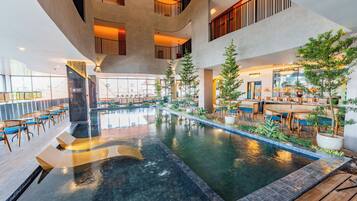
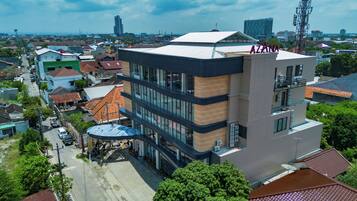
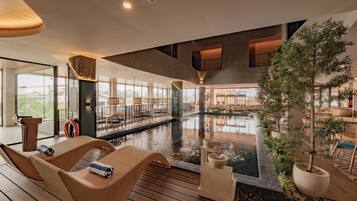

Precio más bajo por noche encontrado en las últimas 24 horas para una estancia de 1 noche y 2 adultos. Los precios y la disponibilidad están sujetos a cambios. Pueden aplicarse términos y condiciones adicionales.
Escoge un alojamiento muy especial de Surakarta
Zonas principales de Surakarta
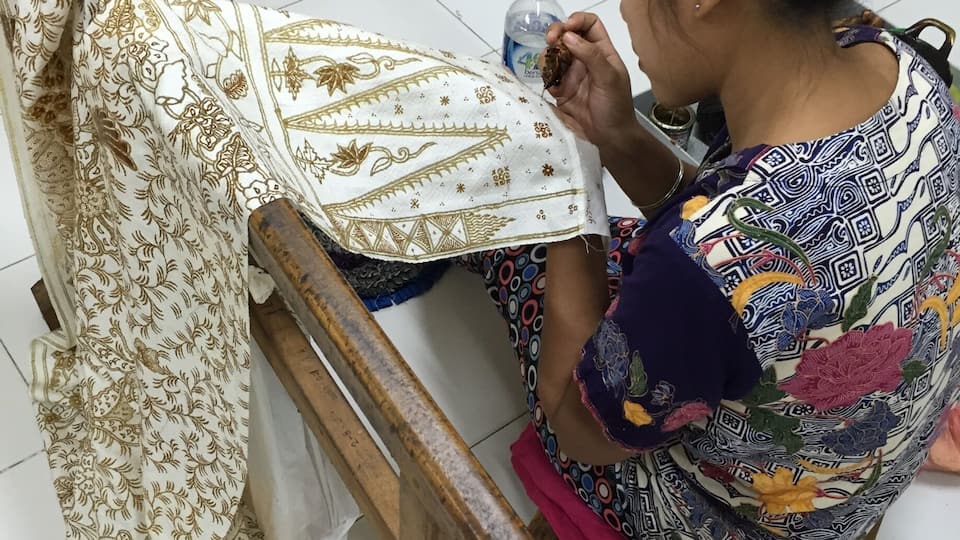
Foto de Sharrie Shaw
Foto gratuita de Sharrie Shaw
Centro de la ciudad de Surakarta
La zona de Centro de la ciudad de Surakarta, en Surakarta, ofrece una gran variedad de lugares para visitar, entre los que se destacan Solo Paragon Lifestyle Mall (centro comercial) y Parque Keprabon.
Foto de Sharrie Shaw
Foto gratuita de Sharrie Shaw
Banjarsari
La zona de Banjarsari, en Surakarta, ofrece una gran variedad de lugares para visitar, entre los que se destacan Solo Paragon Lifestyle Mall (centro comercial) y Parque Balekambang.
Principales lugares de interés de Surakarta
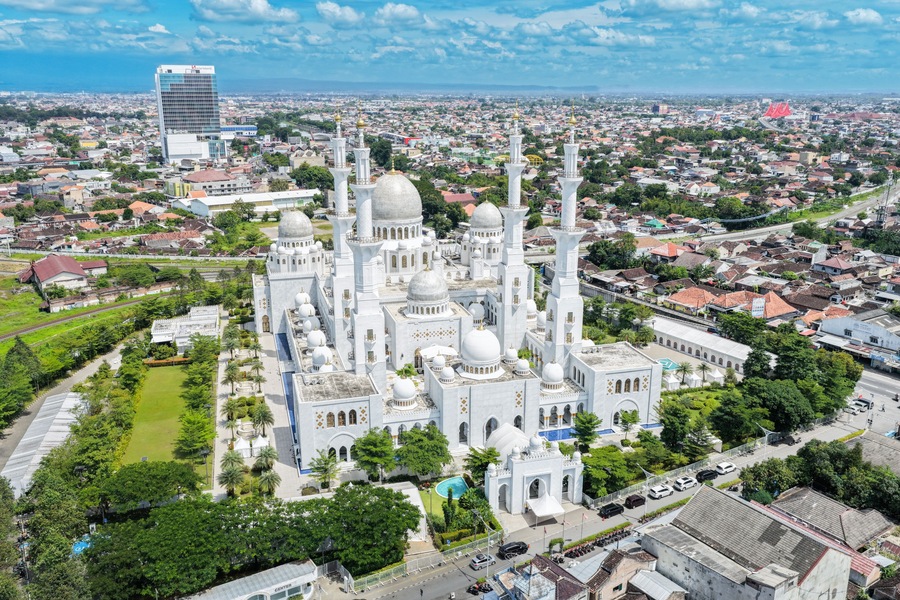
Lee las opiniones de los huéspedes sobre sus hoteles preferidos de Surakarta
Preguntas frecuentes
Más información sobre Surakarta
Descubre más destinos
- Kartasura hoteles
- Sragen hoteles
- Wonogiri hoteles
- Hoteles cerca de Kraton Surakarta
- Hoteles cerca de Mesjid Agung
- Hoteles cerca de Museo Radya Pustaka
- Hoteles cerca de Danar Hadi
- Hoteles cerca de Edificio Marba
- Boyolali hoteles
- Hoteles cerca de Academia de Ingeniería Warga
- Hoteles cerca de Universidad de Sebelas Maret
- Ketapang hoteles
- Manahan hoteles
- Hoteles cerca de Museo del patrimonio y centro de convenciones De Tjolomadoe
- Hoteles cerca de Parque Balekambang
- Boto hoteles
- Hoteles con gimnasio en Laweyan
- Hoteles cerca de Centro comercial Solo Square
- Hoteles cerca de A. Internacional de Adisumarmo
- Hoteles cerca de Mercado Gede
- Hoteles cerca de Mercado Klewer
- Klaten hoteles
- Karanganyar hoteles
- Hoteles con piscina en Surakarta
- Hoteles con aparcamiento en Surakarta
- Casas de huéspedes en Surakarta
- Hoteles de lujo en Surakarta
- Hoteles de 2 estrellas en Surakarta
- Hoteles con spa en Surakarta
- Hoteles baratos en Baki
- Baki hoteles
- Colomadu hoteles
- Grogol hoteles
- Jaten hoteles
- Banjarsari hoteles
- Centro de la ciudad de Surakarta hoteles
- Karanganyar hoteles
- Sragen hoteles