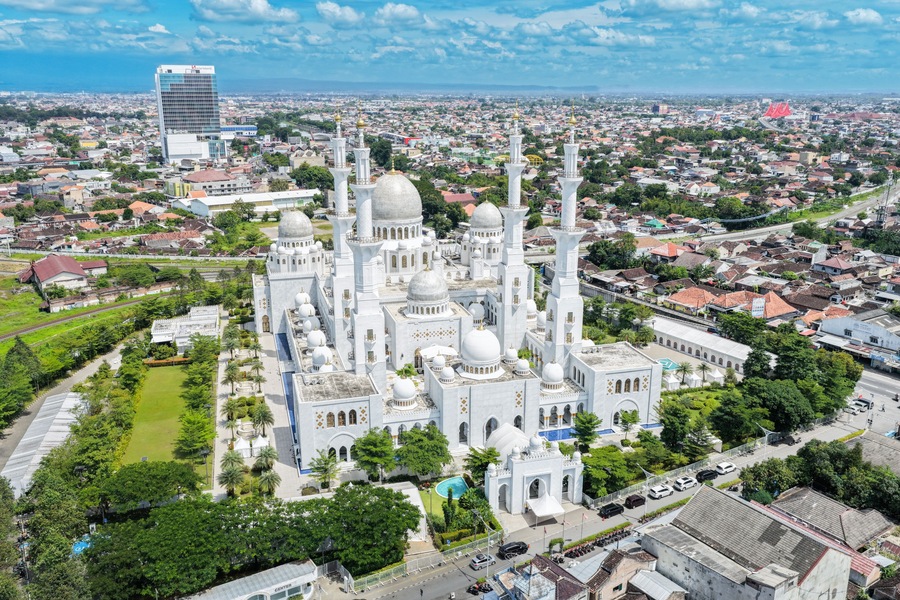
Las propiedades se seleccionan en función de reseñas de viajeros reales y de la popularidad entre los huéspedes que han reservado una noche en Surakarta en Hoteles.com. Estos hoteles en Surakarta ofrecen constantemente comodidad, ubicación y experiencia del viajero. Última actualización: .
Hoteles en Surakarta

Opciones de cancelación gratuita si cambias de planes

Acumula recompensas por cada noche de estancia

Ahorra más con los Precios para socios
Consulta precios para estas fechas
Esta noche
Mañana
Este fin de semana
El próximo fin de semana
Resumen de 5 hoteles destacados en Surakarta
- Swiss-Belhotel Solo — Hotel de 4 estrellas en Banjarsari. Puntuación de los huéspedes: 9.2/10 (Magnífico).
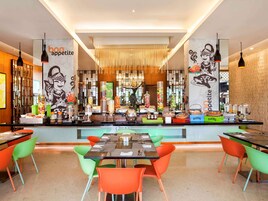
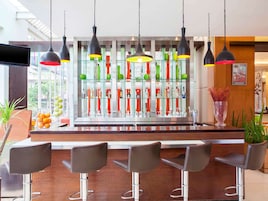
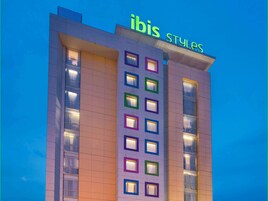
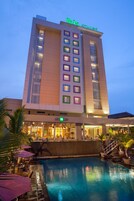
- ibis Styles Solo — Hotel de 3 estrellas en Centro de la ciudad de Solo. Puntuación de los huéspedes: 8.2/10 (Muy bueno).
- Alila Solo, Java — Hotel de 5 estrellas en Surakarta. Puntuación de los huéspedes: 9.2/10 (Magnífico).
- Novotel Solo — Hotel de 4 estrellas en Centro de la ciudad de Solo. Puntuación de los huéspedes: 8.2/10 (Muy bueno).
- The Royal Surakarta Heritage - Handwritten Collection — Hotel de 5 estrellas en Centro de la ciudad de Solo. Puntuación de los huéspedes: 8.2/10 (Muy bueno).
Dónde hospedarse en Surakarta
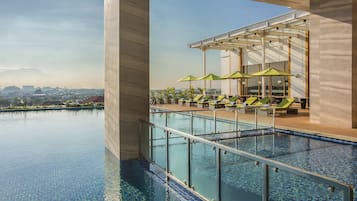


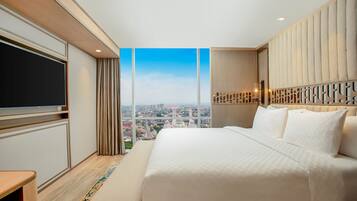
Swiss-Belhotel Solo
Swiss-Belhotel SoloBanjarsari
9.2 de 10, Magnífico, (41 opiniones)
El precio actual es de USD 37
USD 45 en total
impuestos y cargos incluidos
31 jul. - 1 ago.

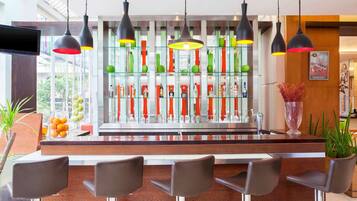

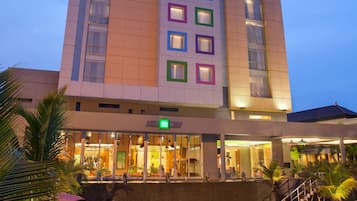
ibis Styles Solo
ibis Styles SoloCentro de la ciudad de Solo
8.2 de 10, Muy bueno, (107 opiniones)
El precio actual es de USD 20
USD 25 en total
impuestos y cargos incluidos
31 jul. - 1 ago.


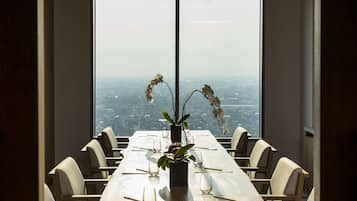
Alila Solo, Java
Alila Solo, JavaSurakarta
9.2 de 10, Magnífico, (149 opiniones)
El precio actual es de USD 55
USD 67 en total
impuestos y cargos incluidos
30 ago. - 31 ago.
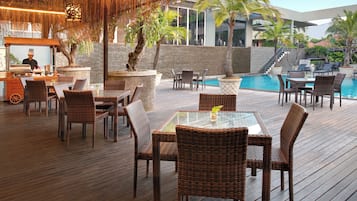

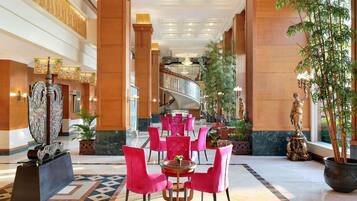

Novotel Solo
Novotel SoloCentro de la ciudad de Solo
8.2 de 10, Muy bueno, (117 opiniones)
El precio actual es de USD 31
USD 38 en total
impuestos y cargos incluidos
1 ago. - 2 ago.

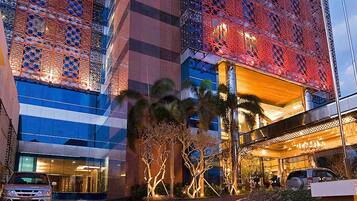


The Royal Surakarta Heritage - Handwritten Collection
The Royal Surakarta Heritage - Handwritten CollectionCentro de la ciudad de Solo
8.2 de 10, Muy bueno, (172 opiniones)
El precio actual es de USD 32
USD 38 en total
impuestos y cargos incluidos
1 ago. - 2 ago.

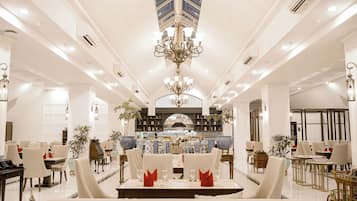

Mahalaya The Legacy Solo
Mahalaya The Legacy SoloCentro de la ciudad de Solo
8.4 de 10, Muy bueno, (5 opiniones)
El precio actual es de USD 37
USD 45 en total
impuestos y cargos incluidos
31 jul. - 1 ago.

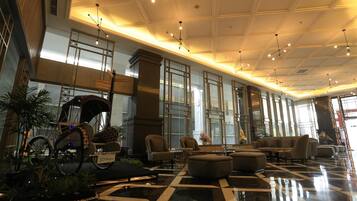
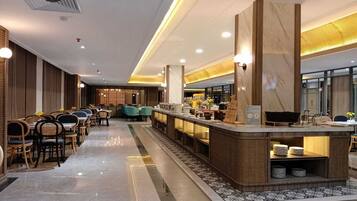

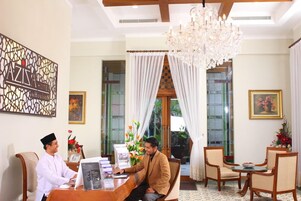
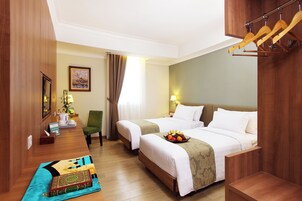
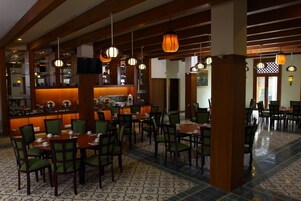
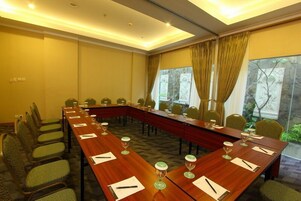
Zigna Kampung Batik
Zigna Kampung BatikSurakarta
10.0 de 10, Excepcional, (4 opiniones)
El precio actual es de USD 30
USD 36 en total
impuestos y cargos incluidos
2 ago. - 3 ago.


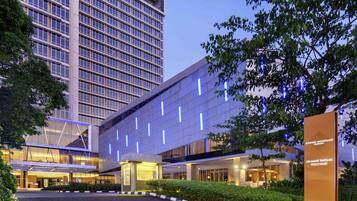
Grand Mercure Solo Baru
Grand Mercure Solo BaruGrogol
8.6 de 10, Excelente, (81 opiniones)
El precio actual es de USD 38
USD 46 en total
impuestos y cargos incluidos
2 ago. - 3 ago.
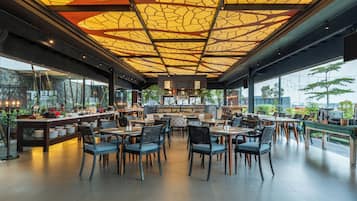
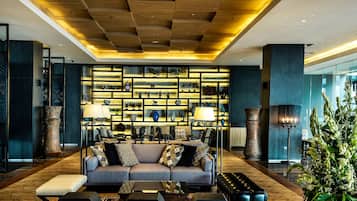
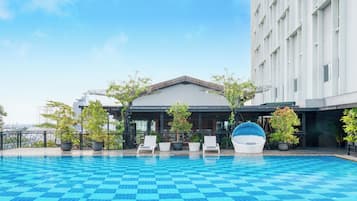

Mercure Solo
Mercure SoloSurakarta
8.4 de 10, Muy bueno, (37 opiniones)
El precio actual es de USD 27
USD 33 en total
impuestos y cargos incluidos
13 ago. - 14 ago.


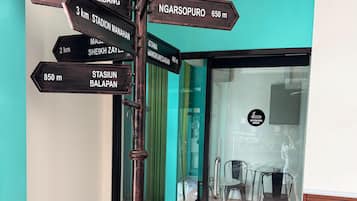

Comfort Centre Residence Solo
Comfort Centre Residence SoloCentro de la ciudad de Solo
El precio actual es de USD 20
USD 25 en total
impuestos y cargos incluidos
31 jul. - 1 ago.
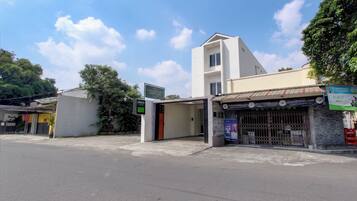
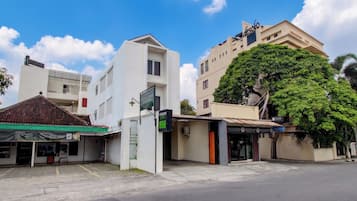
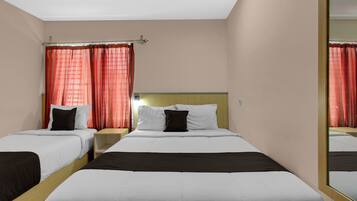
Hotel O near Taman Sriwedari formerly In
Hotel O near Taman Sriwedari formerly InCentro de la ciudad de Solo
El precio actual es de USD 8
USD 10 en total
impuestos y cargos incluidos
3 ago. - 4 ago.


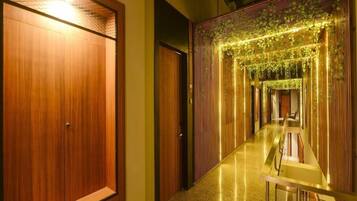

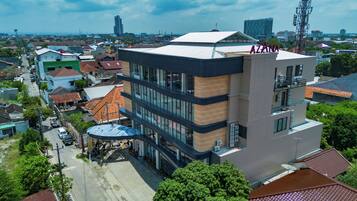
Nata Azana Hotel Solo
Nata Azana Hotel SoloSurakarta
9.6 de 10, Excepcional, (7 opiniones)
El precio actual es de USD 26
USD 31 en total
impuestos y cargos incluidos
30 ago. - 31 ago.


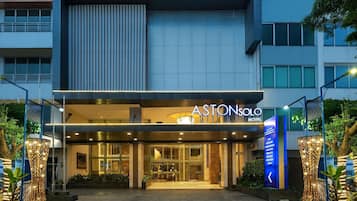

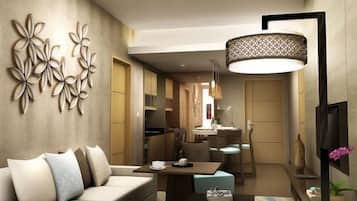
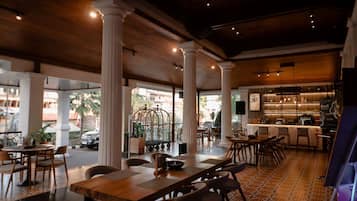
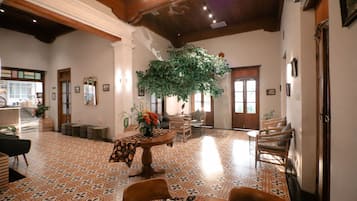
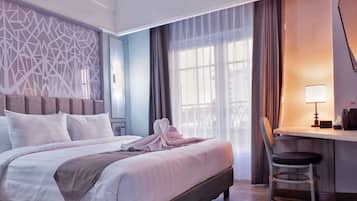
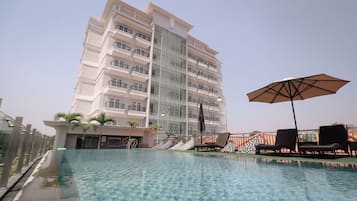
FIM by Zigna
FIM by ZignaCentro de la ciudad de Solo
9.4 de 10, Excepcional, (6 opiniones)
El precio actual es de USD 25
USD 30 en total
impuestos y cargos incluidos
2 ago. - 3 ago.
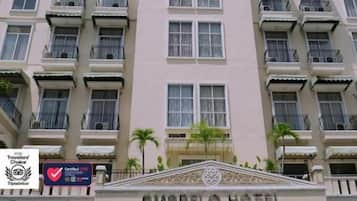
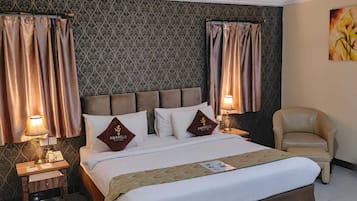

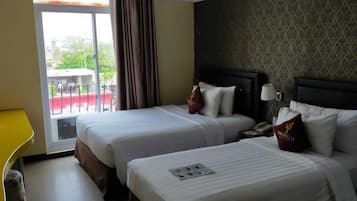
Amarelo Hotel
Amarelo HotelSurakarta
6.0 de 10, (1 opinión)
El precio actual es de USD 19
USD 23 en total
impuestos y cargos incluidos
31 jul. - 1 ago.
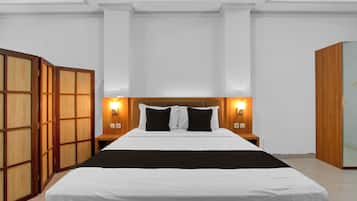

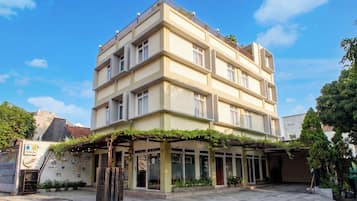
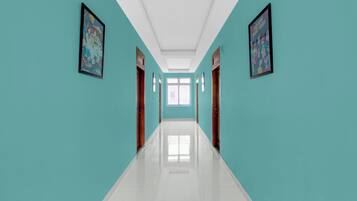
Collection O near Stasiun Solo Balapan f
Collection O near Stasiun Solo Balapan fCentro de la ciudad de Solo
El precio actual es de USD 7
USD 8 en total
impuestos y cargos incluidos
31 jul. - 1 ago.
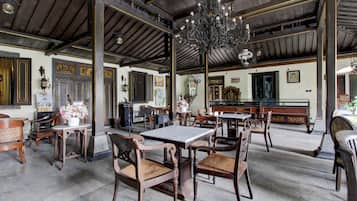
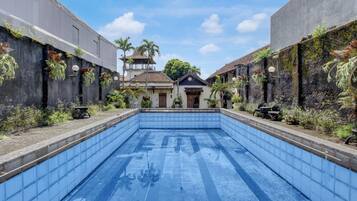
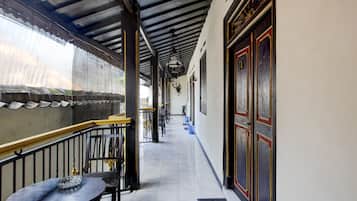
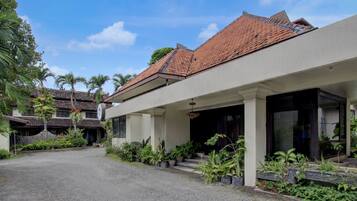
Hotel O near Kampung Batik Kauman former
Hotel O near Kampung Batik Kauman formerSurakarta
El precio actual es de USD 6
USD 7 en total
impuestos y cargos incluidos
2 ago. - 3 ago.
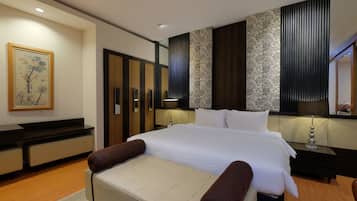

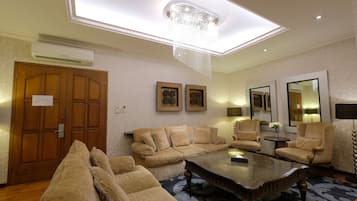
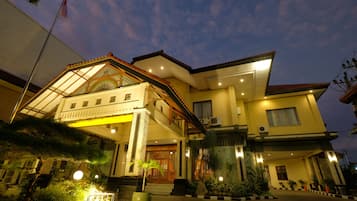
Diamond Hotel Solo
Diamond Hotel SoloSurakarta
9.0 de 10, Magnífico, (2 opiniones)
El precio actual es de USD 17
USD 20 en total
impuestos y cargos incluidos
31 jul. - 1 ago.
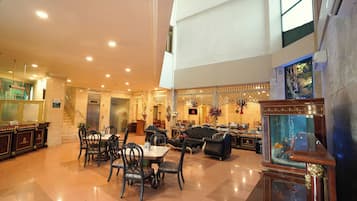
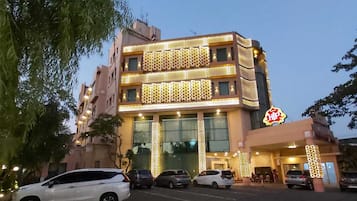


Hotel Indah Palace Solo
Hotel Indah Palace SoloSurakarta
9.0 de 10, Magnífico, (4 opiniones)
El precio actual es de USD 18
USD 22 en total
impuestos y cargos incluidos
2 ago. - 3 ago.
Precio por noche más bajo encontrado en las últimas 24 horas para una estadía de una noche para dos adultos. Los precios y la disponibilidad están sujetos a cambios. Es posible que se apliquen más términos y condiciones.
Obtén ofertas de hoteles de última hora en Surakarta y ahorra más
Inicia sesión para acceder a ahorros imperdibles.
Ofertas para estas fechas:31 jul. - 2 ago.
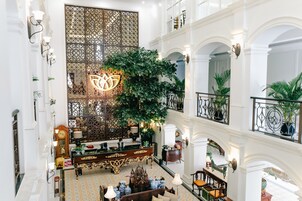
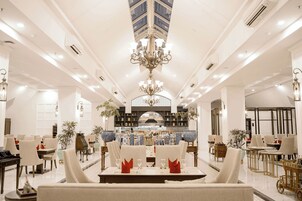
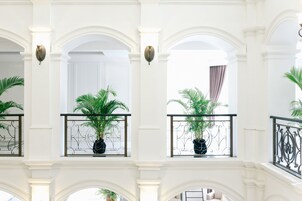
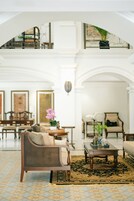
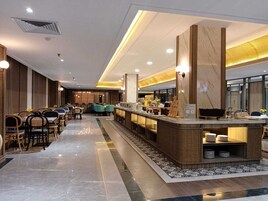
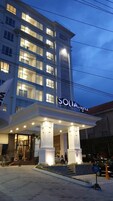
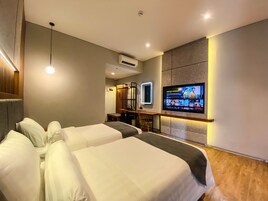
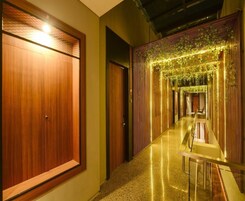
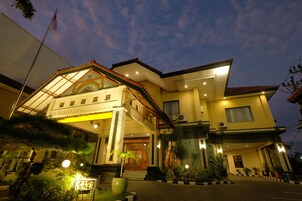
8.4 de 10, Muy bueno, (5 opiniones)
USD 19 de dto.
El precio actual es de USD 33
por noche
USD 79 en total
impuestos y cargos incluidos







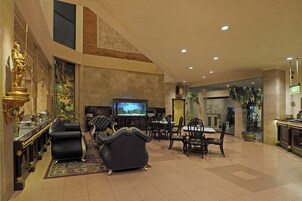
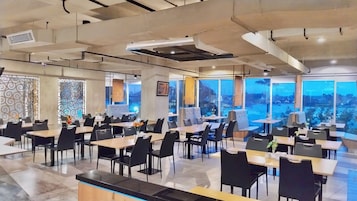
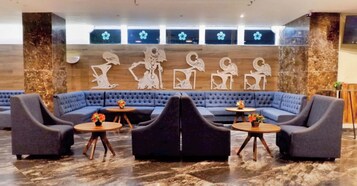
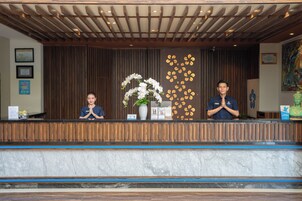


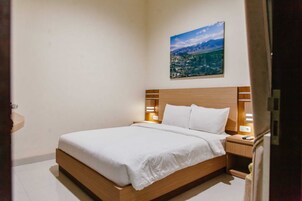
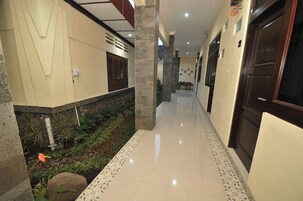
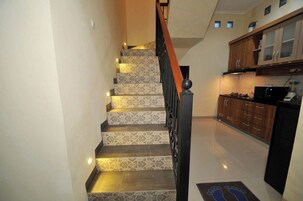
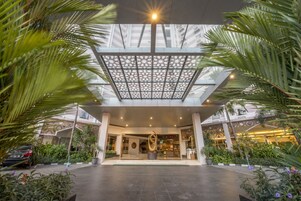

Ofertas para estas fechas:7 ago. - 9 ago.

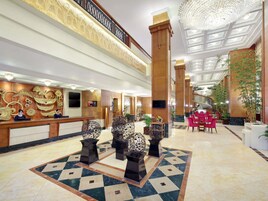
8.2 de 10, Muy bueno, (117 opiniones)
El precio actual es de USD 31
por noche
USD 75 en total
impuestos y cargos incluidos
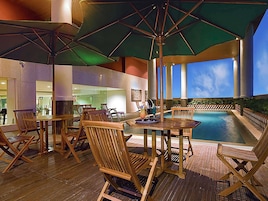
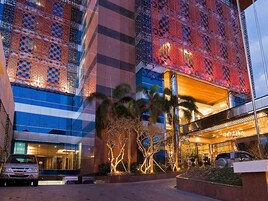
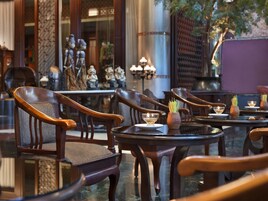

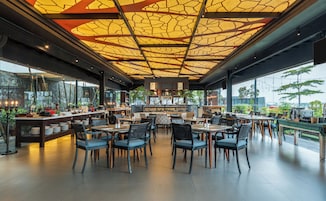
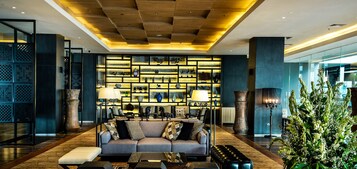
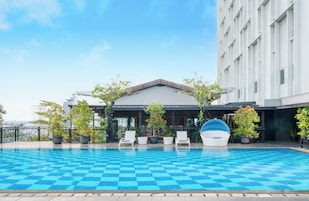
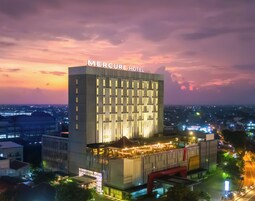
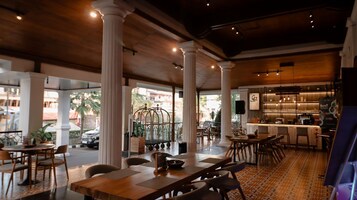
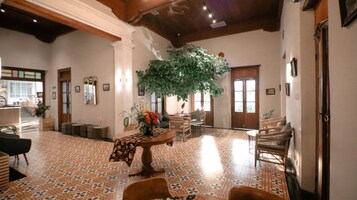
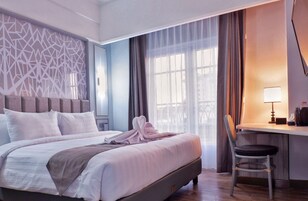
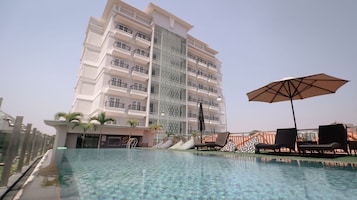
Ofertas para estas fechas:28 ago. - 29 ago.
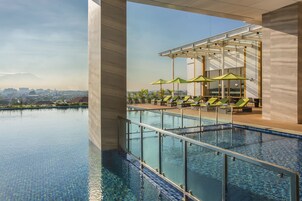
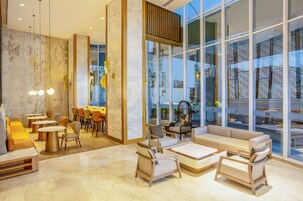
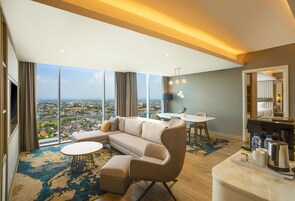

9.2 de 10, Magnífico, (41 opiniones)
El precio actual es de USD 39
por noche
USD 47 en total
impuestos y cargos incluidos
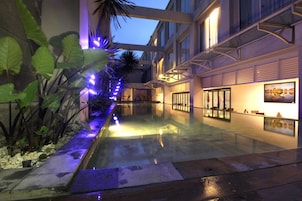
También podrían gustarte hoteles con piscina en Surakarta
El precio actual es de USD 55
USD 67 en total
impuestos y cargos incluidos
30 ago. - 31 ago.
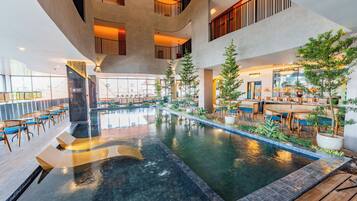

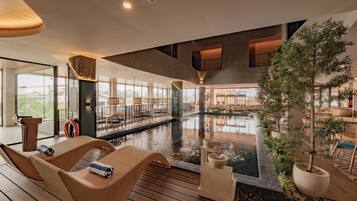
Precio por noche más bajo encontrado en las últimas 24 horas para una estadía de una noche para dos adultos. Los precios y la disponibilidad están sujetos a cambios. Es posible que se apliquen más términos y condiciones.
Encuentra un hospedaje especial en Surakarta
Villas
Piscina
Principales zonas en Surakarta
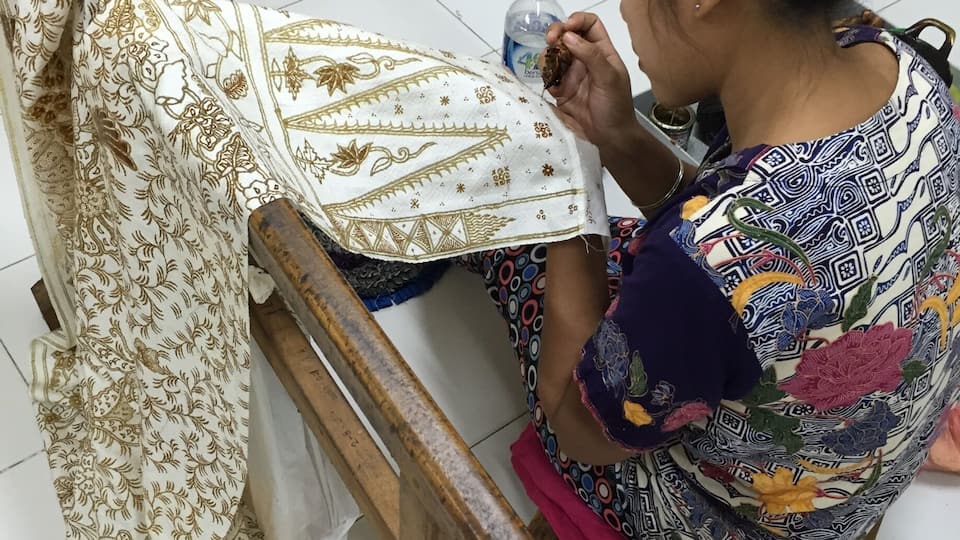
Foto tomada por Sharrie Shaw
Foto de uso libre tomada por Sharrie Shaw
Centro de la ciudad de Solo
La zona de Centro de la ciudad de Solo, en Surakarta, ofrece una gran variedad de lugares para visitar, entre los que se destacan Solo Paragon Lifestyle Mall (centro comercial) y Parque Keprabon.
Foto tomada por Sharrie Shaw
Foto de uso libre tomada por Sharrie Shaw
Banjarsari
La zona de Banjarsari, en Surakarta, ofrece una gran variedad de lugares para visitar, entre los que se destacan Solo Paragon Lifestyle Mall (centro comercial) y Parque de la ciudad Balekambang.