
![At the museum no photos are allowed which is really unfortunate as it was well worth the visit and the guided tour is definitely not to be missed. In the museum there are even Batik made from the Dutch era which depicts stories like Little Red Riding Hood and Snow White!
I enjoyed the tour v much and at the end of the tour we were brought to this room where the artisan were working on hand drawn batik.
Below is an excerpt from Wikipedia for anyone interested in learning more about the process of batik making.
Firstly, a cloth is washed, soaked and beaten with a large mallet. Patterns are drawn with pencil and later redrawn using hot wax, usually made from a mixture of paraffin or bees wax, sometimes mixed with plant resins, which functions as a dye-resist. The wax can be applied with a variety of tools. A pen-like instrument called a canting (IPA: [tʃantiŋ], sometimes spelled with old Dutch orthography tjanting) is the most common. A canting is made from a small copper reservoir with a spout on a wooden handle. The reservoir holds the resist which flows through the spout, creating dots and lines as it moves. For larger patterns, a stiff brush may be used. Alternatively, a copper block stamp called a cap (IPA: [tʃap]; old spelling tjap) is used to cover large areas more efficiently.
After the cloth is dry, the resist is removed by scraping or boiling the cloth. The areas treated with resist keep their original color; when the resist is removed the contrast between the dyed and undyed areas forms the pattern. This process is repeated as many times as the number of colors desired.
The most traditional type of batik, called batik tulis (written batik), is drawn using only the canting. The cloth need to be drawn on both sides and dipped in a dye bath three to four times. The whole process may take up to a year; it yields considerably finer patterns than stamped batik.
Source: Wikipedia](https://images.trvl-media.com/place/6224808/26fd1460-c65a-4c1a-9444-7a893e883ac9.jpg?impolicy=resizecrop&rw=1920&ra=fit&ch=480)
Foto de Sharrie Shaw
Hoteles en Surakarta

Opciones de cancelación gratuita si cambias de planes

Llévate recompensas por cada noche de tu estancia

Ahorra más con los precios para miembros
Consulta los precios para estas fechas
Esta noche
Mañana
Este fin de semana
Próximo fin de semana
¿Dónde te alojarás en Surakarta?
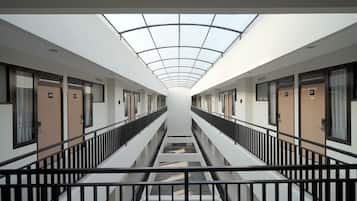
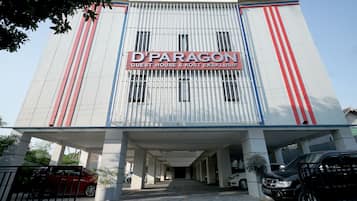

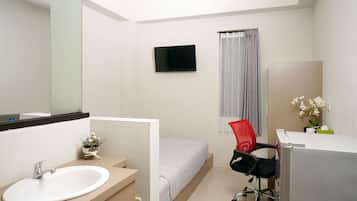
Dparagon Manduro
Dparagon Manduro
5.0 sobre 10, (2)




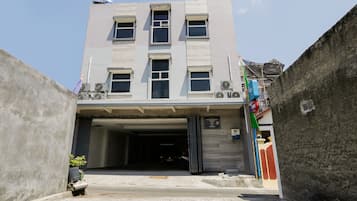
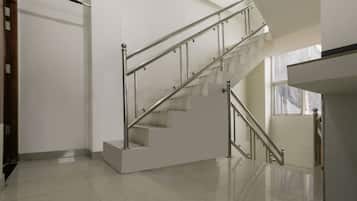
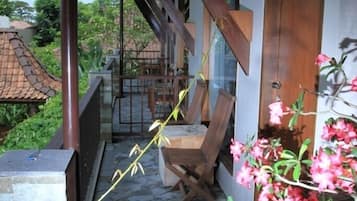
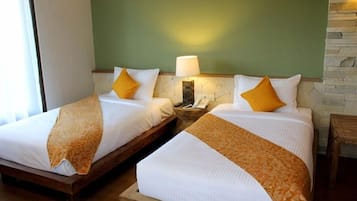
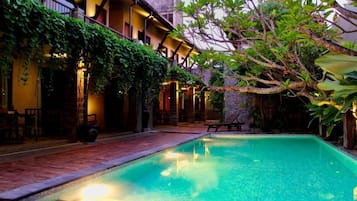
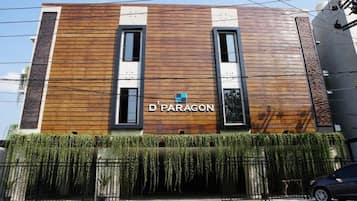

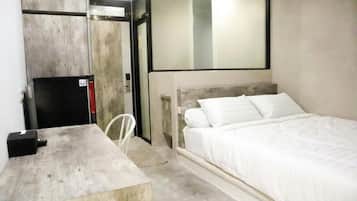


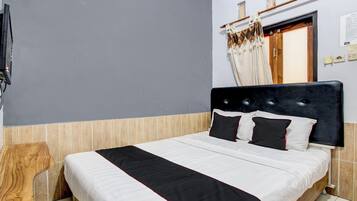
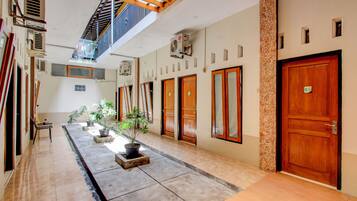
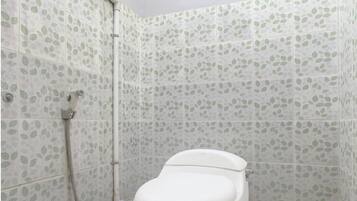

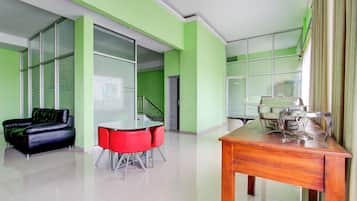
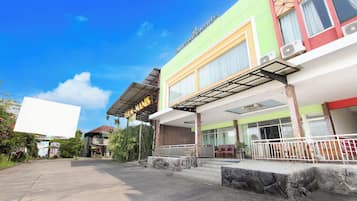
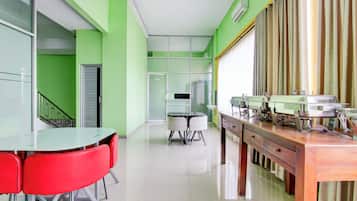
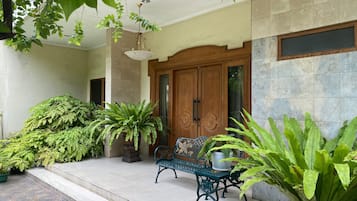
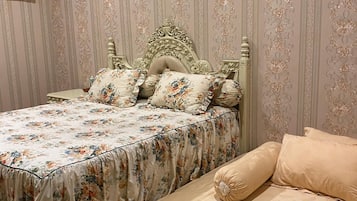
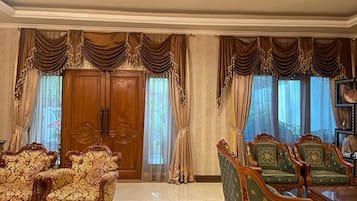

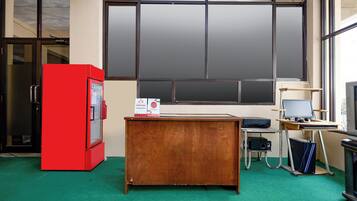
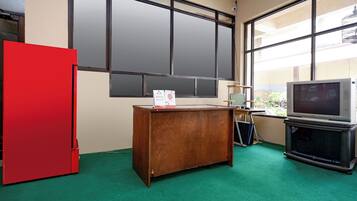
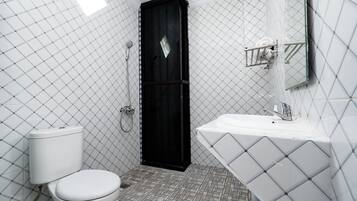
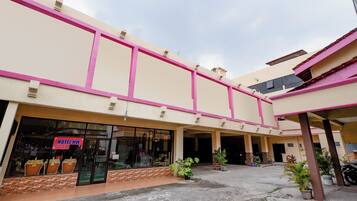
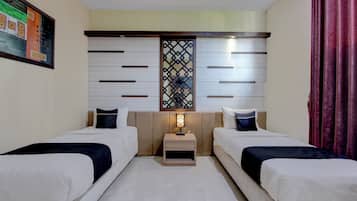


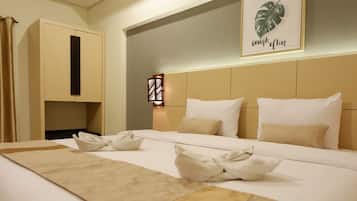
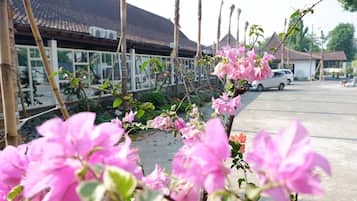
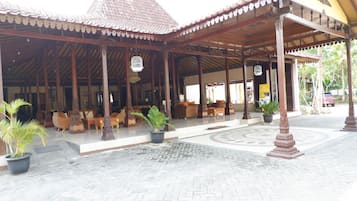
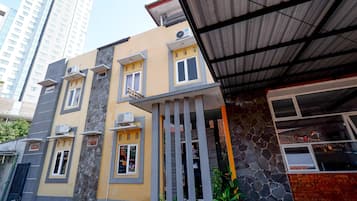
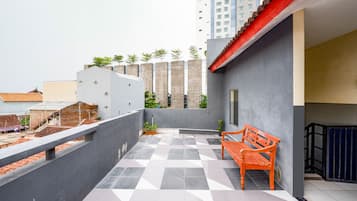
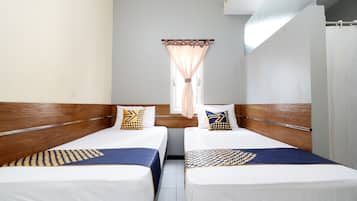
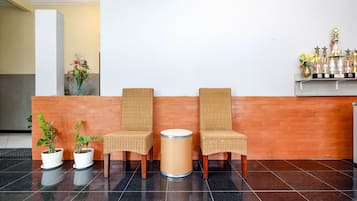

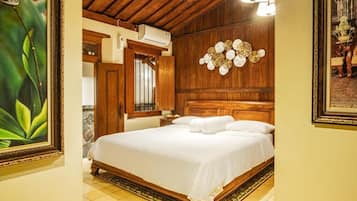
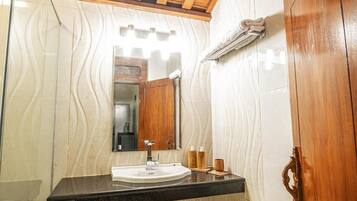
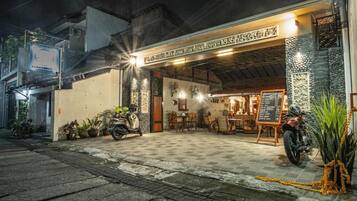
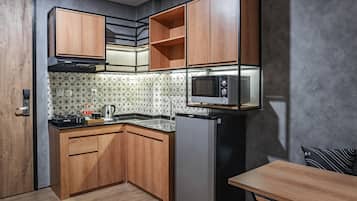
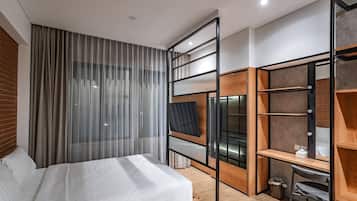


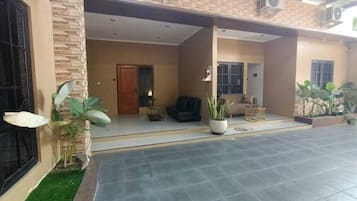
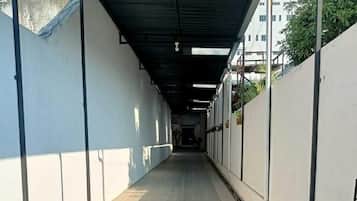
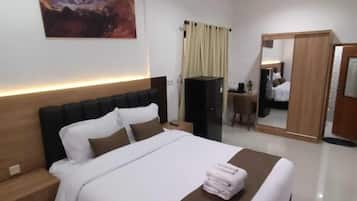
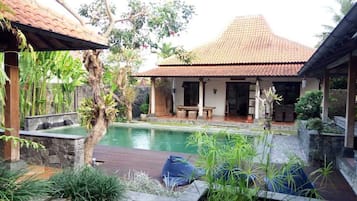
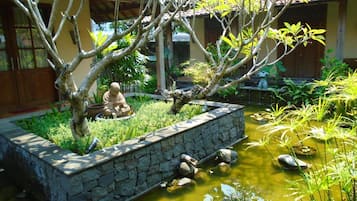
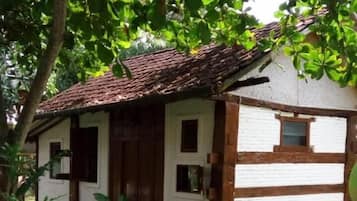
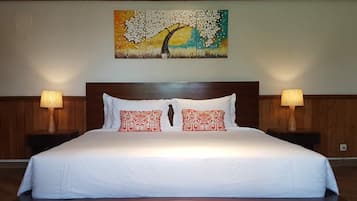
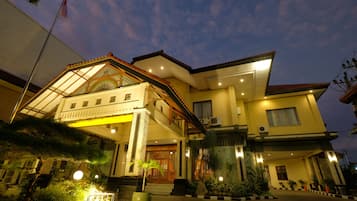
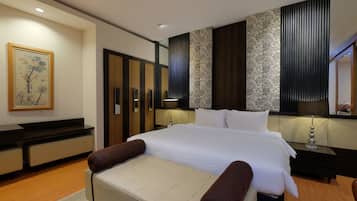
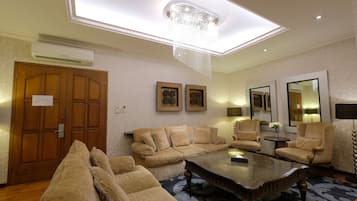
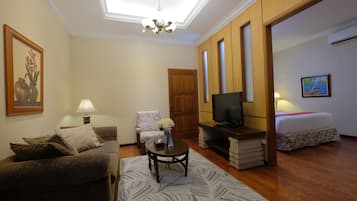
Precio más bajo por noche encontrado en las últimas 24 horas para una estancia de 1 noche y 2 adultos. Los precios y la disponibilidad están sujetos a cambios. Pueden aplicarse términos y condiciones adicionales.
Grandes ofertas de hotel para un fin de semana en Surakarta
Se muestran ofertas para estas fechas:26 dic - 28 dic
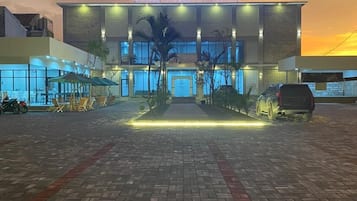
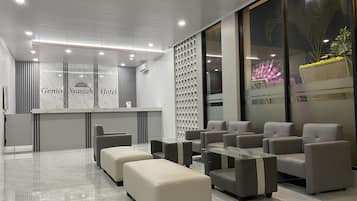
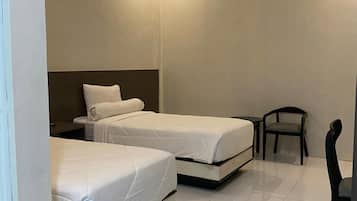
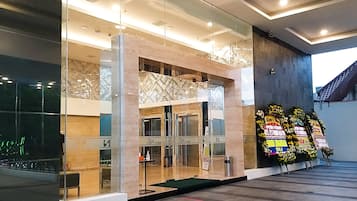
Galería de imágenes de Lorin Syariah Hotel Solo

Lorin Syariah Hotel Solo
Surakarta
8.0/10Muy bueno (13 comentarios)
30 % de descuento
El precio es de 76 €
por 2 noches y 1 habitación
38 € por noche
incluye tasas e impuestos


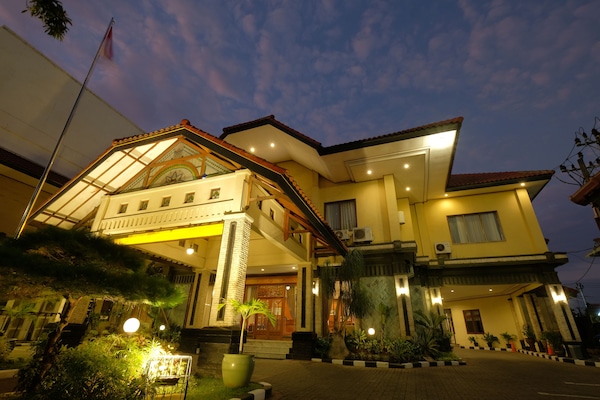
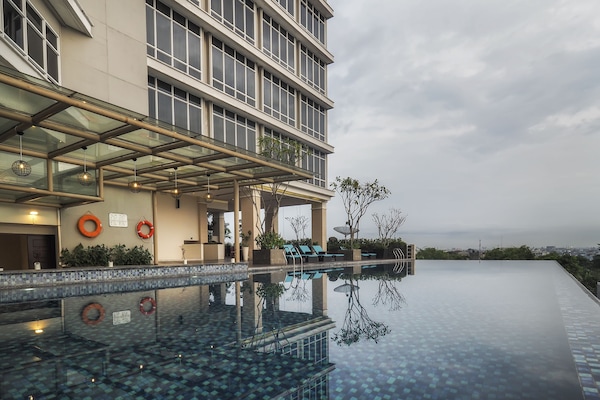

Hoteles económicos en Surakarta y alrededores


8.0 sobre 10, Muy bueno, (1)
El precio actual es de 6 €
incluye tasas e impuestos
Del 18 dic al 19 dic





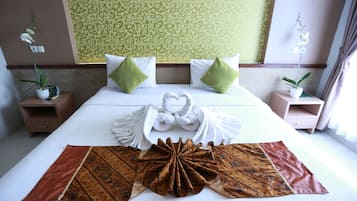
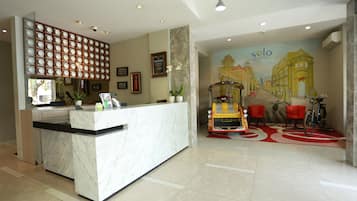
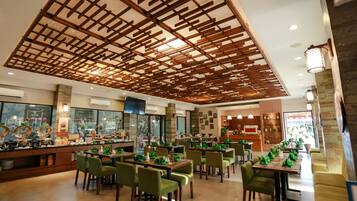
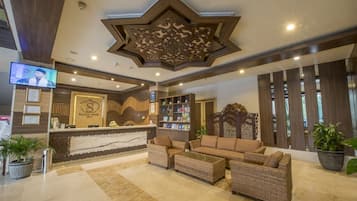
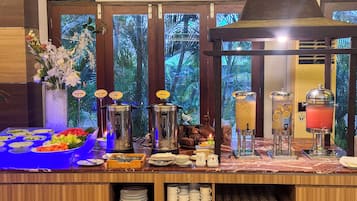
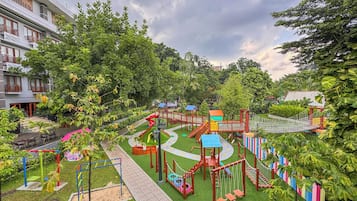
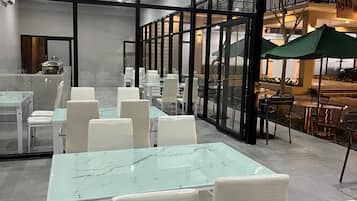
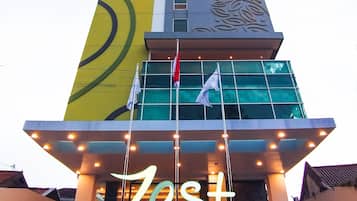
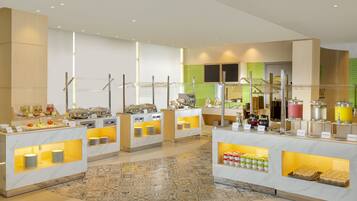
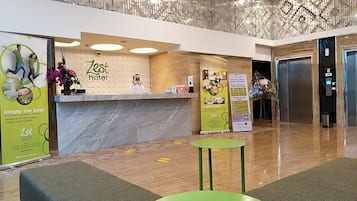

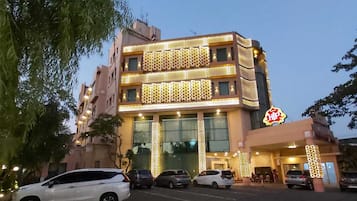


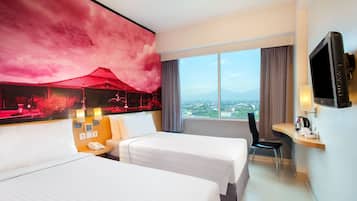
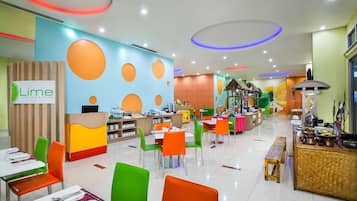
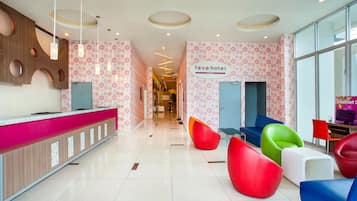
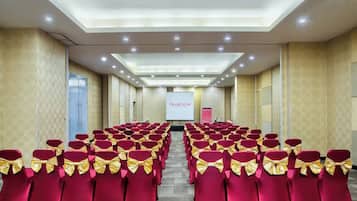



Precio más bajo por noche encontrado en las últimas 24 horas para una estancia de 1 noche y 2 adultos. Los precios y la disponibilidad están sujetos a cambios. Pueden aplicarse términos y condiciones adicionales.
Echa un vistazo a hoteles con spa en Surakarta

9.0 sobre 10, Impresionante, (9)






También te pueden interesar hoteles con piscina en Surakarta
El precio actual es de 11 €
incluye tasas e impuestos
Del 18 dic al 19 dic




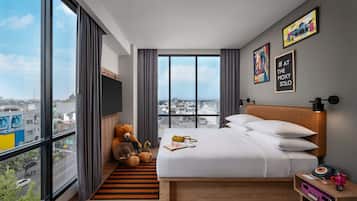
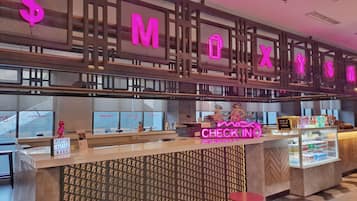
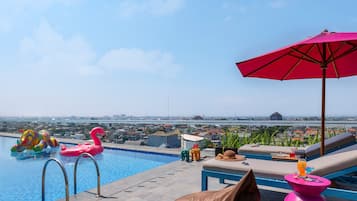

También puedes alojarte en hoteles perfectos para familias en Surakarta

10.0 sobre 10, Excepcional, (1)
El precio actual es de 8 €
incluye tasas e impuestos
Del 18 dic al 19 dic
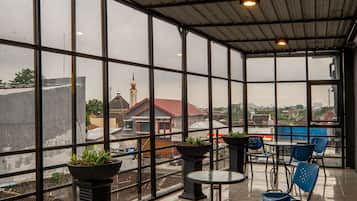








Precio más bajo por noche encontrado en las últimas 24 horas para una estancia de 1 noche y 2 adultos. Los precios y la disponibilidad están sujetos a cambios. Pueden aplicarse términos y condiciones adicionales.
Escoge un alojamiento muy especial de Surakarta
Zonas principales de Surakarta
Centro de la ciudad de Surakarta
La zona de Centro de la ciudad de Surakarta, en Surakarta, ofrece una gran variedad de lugares para visitar, entre los que se destacan Solo Paragon Lifestyle Mall (centro comercial) y Parque Keprabon.
Banjarsari
La zona de Banjarsari, en Surakarta, ofrece una gran variedad de lugares para visitar, entre los que se destacan Solo Paragon Lifestyle Mall (centro comercial) y Parque Balekambang.
Principales lugares de interés de Surakarta
Surakarta y destinos relacionados
![At the museum no photos are allowed which is really unfortunate as it was well worth the visit and the guided tour is definitely not to be missed. In the museum there are even Batik made from the Dutch era which depicts stories like Little Red Riding Hood and Snow White!
I enjoyed the tour v much and at the end of the tour we were brought to this room where the artisan were working on hand drawn batik.
Below is an excerpt from Wikipedia for anyone interested in learning more about the process of batik making.
Firstly, a cloth is washed, soaked and beaten with a large mallet. Patterns are drawn with pencil and later redrawn using hot wax, usually made from a mixture of paraffin or bees wax, sometimes mixed with plant resins, which functions as a dye-resist. The wax can be applied with a variety of tools. A pen-like instrument called a canting (IPA: [tʃantiŋ], sometimes spelled with old Dutch orthography tjanting) is the most common. A canting is made from a small copper reservoir with a spout on a wooden handle. The reservoir holds the resist which flows through the spout, creating dots and lines as it moves. For larger patterns, a stiff brush may be used. Alternatively, a copper block stamp called a cap (IPA: [tʃap]; old spelling tjap) is used to cover large areas more efficiently.
After the cloth is dry, the resist is removed by scraping or boiling the cloth. The areas treated with resist keep their original color; when the resist is removed the contrast between the dyed and undyed areas forms the pattern. This process is repeated as many times as the number of colors desired.
The most traditional type of batik, called batik tulis (written batik), is drawn using only the canting. The cloth need to be drawn on both sides and dipped in a dye bath three to four times. The whole process may take up to a year; it yields considerably finer patterns than stamped batik.
Source: Wikipedia](https://images.trvl-media.com/place/6224808/26fd1460-c65a-4c1a-9444-7a893e883ac9.jpg?impolicy=fcrop&w=300&h=400&p=1&q=high)
Lee las opiniones de los huéspedes sobre sus hoteles preferidos de Surakarta
Preguntas frecuentes
Descubre más destinos
- Zonas
- Lugares de interés
- Categoría
- Tipos de alojamiento
- Servicios
- Hoteles cerca de aeropuertos en los alrededores
- Cerca de una estación
- Ciudades cercanas
- Principales ciudades en Indonesia
- Más hoteles
- Los destinos más populares
- Más formas de reservar
- Hoteles cerca de Solo Paragon Lifestyle Mall
- Hoteles cerca de Universidad de Sebelas Maret
- Hoteles cerca de Universidad Muhammadiyah de Surakarta
- Hoteles cerca de Universidad de Surakarta Muhammadiyah
- Hoteles cerca de Palacio Mangkunegaran
- Hoteles cerca de Kraton Surakarta
- Hoteles cerca de Mercado Klewer
- Hoteles cerca de Mercado Gede
- Hoteles cerca de Parque The Heritage Palace
- Hoteles cerca de Centro comercial Solo Square
- Hoteles cerca de Danar Hadi
- Hoteles cerca de Parque Balekambang
- Hoteles cerca de Parque de Atracciones Sriwedari
- Hoteles cerca de Clínica Nakamura
- Hoteles cerca de Museo y biblioteca Radya Pustaka
- Hoteles cerca de Mesjid Agung
- Hoteles cerca de Mercado Klewer
- Hoteles cerca de Museo Radya Pustaka
- Hoteles cerca de Parque Keprabon
- Hoteles cerca de Parque Nacional Gunung Merapi
- Hoteles de Ubud
- Hoteles de Seminyak
- Hoteles de Denpasar
- Hoteles de Isla Nusa Dua
- Hoteles de Kuta
- Hoteles de Yakarta
- Hoteles de Baturiti
- Hoteles de Canggu
- Hoteles de Legian
- Hoteles de Jimbaran
- Hoteles de Pecatu
- Hoteles de Uluwatu
- Hoteles de Batam
- Hoteles de Bandung
- Hoteles de Gili Trawangan
- Hoteles de Tegallalang
- Hoteles de Isla Lembongan
- Hoteles de Payangan
- Hoteles de Bekasi
- Hoteles de Yogyakarta
- favehotel Manahan - Solo
- Aston Solo
- Nata Azana Hotel Solo
- GRAND ORCHID HOTEL SOLO
- HARRIS Hotel & Conventions Solo
- Hotel Asia
- Zest Parang Raja Solo by Swiss-Belhotel International
- Loji Hotel Solo by Wstay
- Arini Hotel
- Hotel O Gurita
- Sahid Jaya Hotel Solo
- Hotel O Solo Point Guest House Syariah
- Mahalaya The Legacy Solo
- Hotel Neo Gading Solo
- Super OYO Capital O 1644 Hotel Griya Kencana
- Hotel Tirtonadi Permai
- Hotel O Solo near RS JIH Solo formerly Azifa Inn
- POP! Hotel Solo
- Aziza Solo
- Amaris Sriwedari Solo Surakarta
- Solo Paragon Hotel & Residences
- Pose in Solo by Wstay
- Horison Inn Laksana Solo
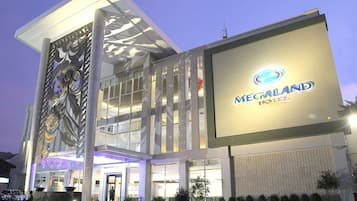
- Megaland Hotel
- Riyadi Palace Hotel
- Rumah Turi Eco Hotel
- Chrome Hotel & Resort Solo
- Dparagon Manduro
- Musafir Guest House Syariah
- Hotel O Tamansari Guest House
- Grand Sahman Hotel
- Mangkuyudan Hotel Solo
- Aira Living
- Grand Sae Boutique Hotel
- Malioboro Inn Solo
- Hotel Laweyan Solo
- Grand Mercure Solo Baru
- Amaranta Prambanan Yogyakarta
- Tjokro Hotel Klaten
- Georium Dunia
- The Alana Hotel and Convention Center - Solo by Aston
- favehotel Solo Baru
- Anaya Azana Boutique Hotel Tawangmangu
- OYO Life 2546 Griya Widya Syariah
- Hotel Merak Indah
- Nava Hotel Tawangmangu
- Front One Boutique Adria Boyolali
- LOA Living Solo Baru
- Villa Aquin
- Hotel O Jaya Kusuma
Los destinos más populares
Hoteles
- Hoteles en Ubud
- Hotel Cesar Augustus
- Hoteles en Gili Trawangan
- Hoteles en Seminyak
- Arenal Suites
- Hoteles en Denpasar
- Hotel Los Ángeles
- Hoteles en Labuan Bajo
- Pierre & Vacances Benidorm Horizon
- Hotel Posada del Lucero
- Hotel Al Nuovo Teson
- Camping L'Espelt
- Catalonia Punta Cana - All Inclusive
- Hoteles en Dallas
- Hoteles en Alfafara
- HOTEL BLADI PALACE
- Parador de Cervera de Pisuerga
- Exe Barcelona Gate
- Hoteles en Ura
- Pazo de Turbisquedo
- Hoteles en Oeiras
- Cosy Rooms Bolsería
- Villa Cha Cha Salad Beach Koh Phangan
- Hoteles en Gili Air
- Hoteles en Komodo
- Hoteles en Pangkalan Bun
- Wave Hotel
- Hoteles en Yogyakarta
- Hotel Plata
- Hoteles en Canet d'Adri